LSC Symposium 2026: Stronger Together
Linking Land, Water, and People
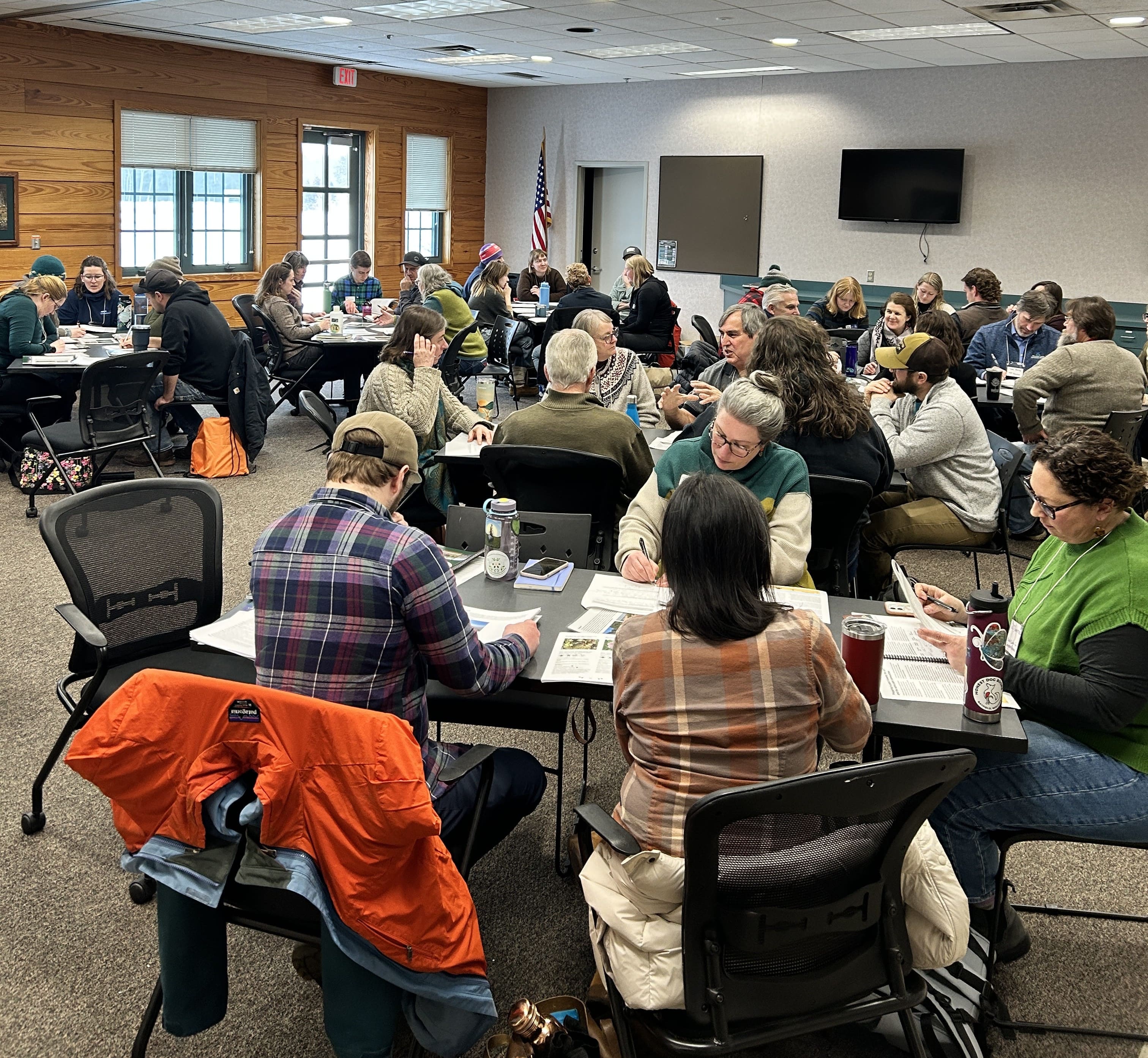
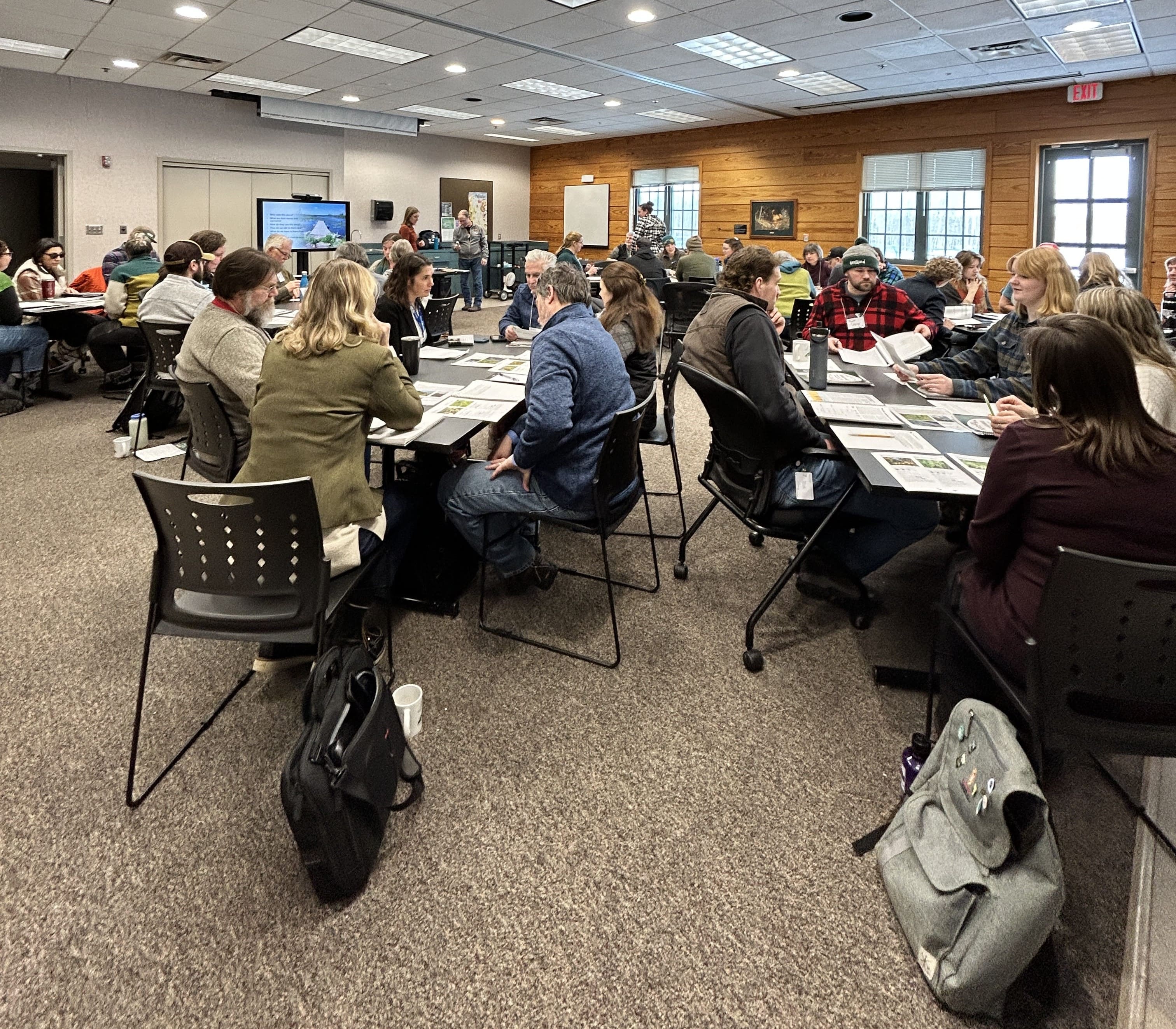
In Wisconsin's Lake Superior Basin, the Lake Superior Collaborative (LSC) unites federal, tribal, and state governments, academic institutions, and nonprofit organizations to coordinate protection, restoration, and climate resilience efforts. Officially formed in 2018, the Collaborative builds on decades of partnership dating back to 1998. Each year, the LSC Symposium at the Northern Great Lakes Visitor Center in Ashland brings together conservation professionals to share project updates, discuss data, and foster collaboration across the Basin.
The 2026 Symposium, held January 26 to 27, brought together 83 participants representing municipal and county governments, state and federal agencies, tribal nations, universities, and nonprofit organizations engaged in conservation, restoration, and climate adaptation. This year's theme, "Stronger Together: Linking Land, Water, and People," emphasized the importance of cross-sector collaboration in addressing complex environmental challenges. For the first time, the Symposium featured a keynote speaker, interactive workshops, and a poster session, providing attendees with meaningful professional learning opportunities and practical tools to support conservation and climate resilience efforts across the Lake Superior Basin.
Workshops
Workshops highlighted both practical and community-centered approaches. In "Ganawenindiwag Gichigami Agaming: Working with Plant Relatives to Heal and Protect Gichigami Shorelines," participants explored the Ganawenindiwag shoreline restoration guide — a resource that empowers landowners and stewards to use native plants to protect and heal Lake Superior shorelines, infused with Ojibwe land stewardship knowledge. Restoration scenario exercises offered hands-on reflection for conservation professionals to apply in their work. "Recruiting and Retaining Volunteers in Conservation" addressed strategies for engaging volunteers effectively, strengthening community networks, and supporting long-term projects. "Culverts: Why They Matter and How to Design for Flood Resilience" examined how poorly designed culverts can threaten aquatic habitats and nearby communities, and explored practical techniques for building flood-resilient infrastructure. "Putting into Practice the Principles of Effective Climate Change Communication" guided participants through strategies for engaging diverse audiences on complex climate issues, including crafting messages that resonate with local values, addressing misinformation, and fostering community action.
Lightning Talks
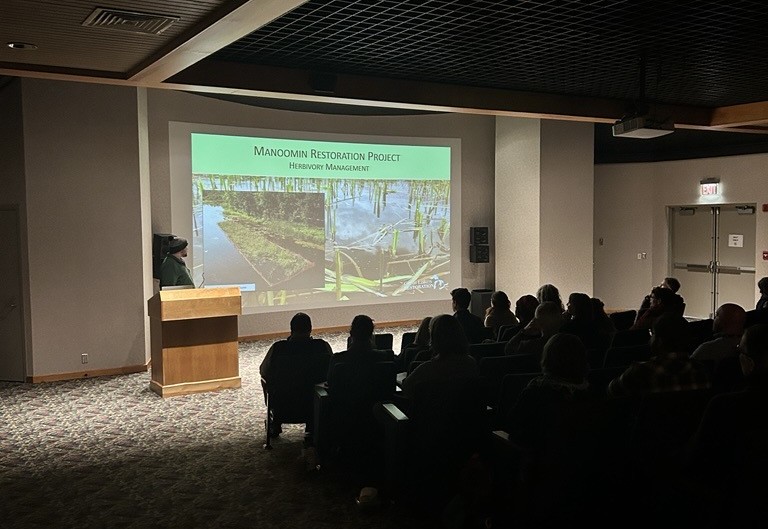
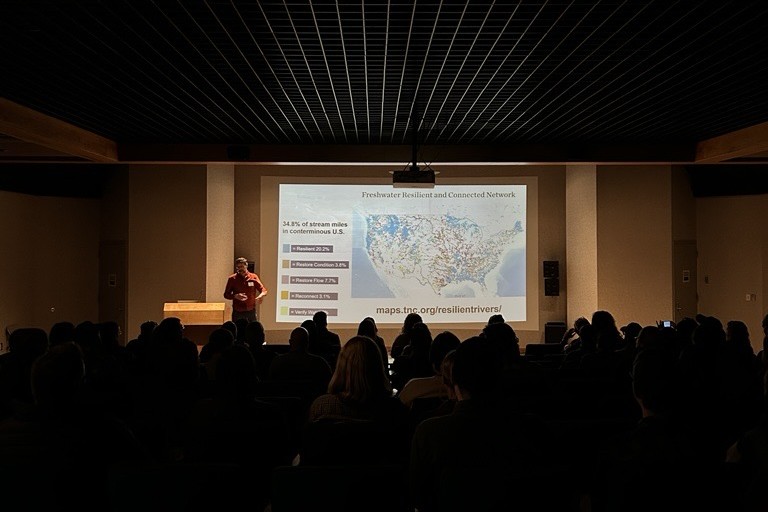
The Symposium featured 14 lightning talks providing fast-paced, focused overviews of current research, restoration efforts, and emerging challenges across the Lake Superior Basin. Presentations highlighted the launch of the Burke Center for Ecosystem Research, results from Wisconsin's National Coastal Condition Assessment, and innovative conservation planning tools such as The Nature Conservancy's resilient river explorer. Speakers covered management of invasive knotweed across four northern counties, detection and prevention strategies for spiny waterflea, and trends in oak and young forest habitat decline. Additional talks explored understory planting and assisted migration in response to emerald ash borer and climate change, restoration of manoomin in the St. Louis River and Brule River estuaries, large woody habitat additions on the Marengo River following major flood events, reintroduction of fire on Wisconsin Point, and Wisconsin's 100 Million Tree Pledge. Together, these talks offered both practical field-based lessons and broader strategic insights for advancing conservation and climate resilience across the Basin.
Poster Session
For the first time, the Symposium featured seven poster presentations showcasing projects in greater depth, including adaptive restoration in black ash wetlands, groundwater research supporting coastal protection, Allouez Bay Marsh bird habitat restoration, wild rice restoration in the St. Louis River Estuary, and the Fish Creek Restoration Trail Project. Additional posters highlighted the Enduring Lake Superior Communities program and barriers to waterfront access in the estuary. The session gave participants time to connect directly with presenters, ask questions, and explore how these efforts might inform their own work across the Basin.
Keynote Address
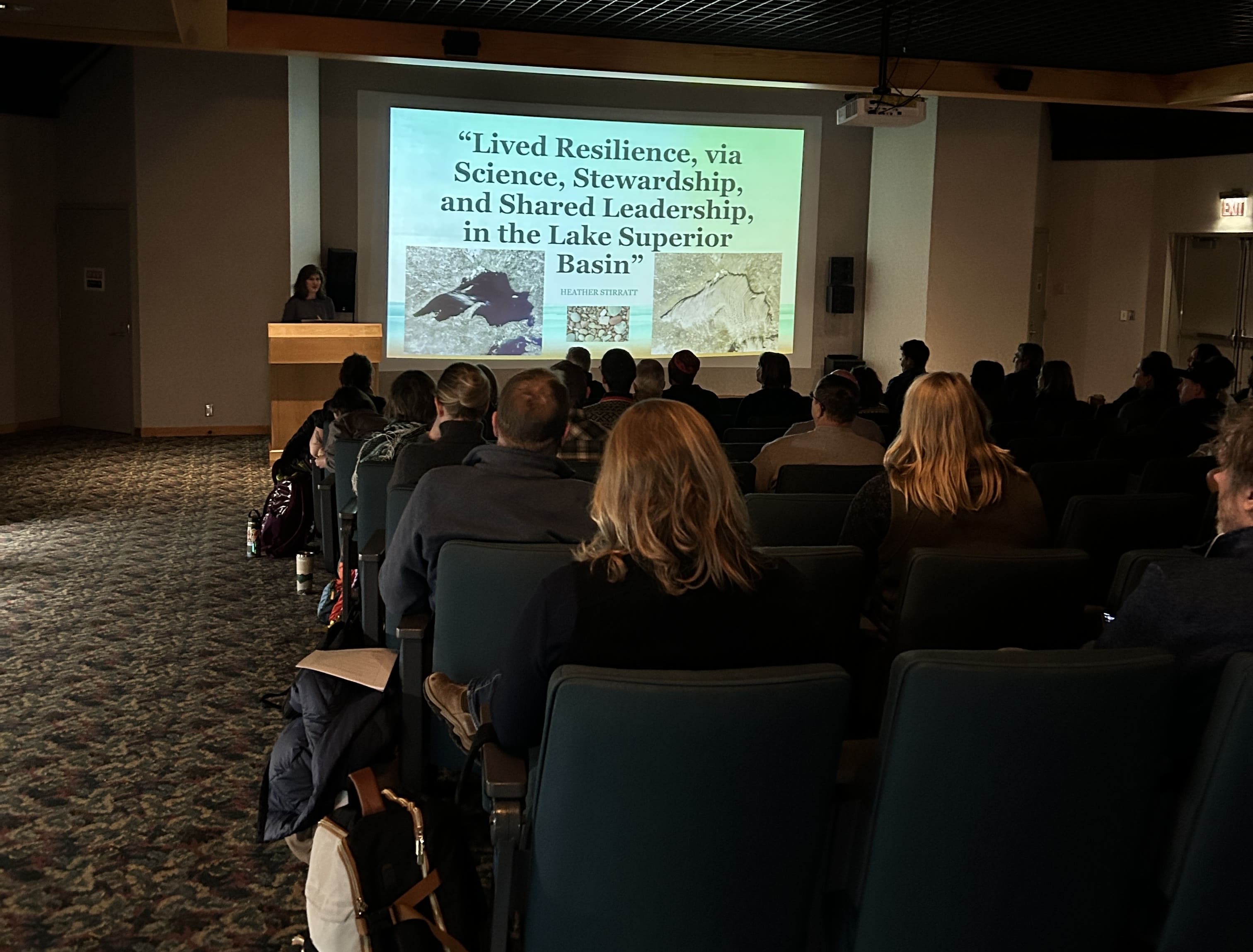
The Symposium featured a keynote address by Heather M. Stirratt, a federal executive with more than 30 years of experience in scientific research, coastal and fisheries management, and climate adaptation across the Great Lakes. Drawing from her career and collaborations across the region, Heather highlighted both the progress made and the persistent gaps that remain in advancing restoration and resilience efforts. She emphasized opportunities to strengthen coordination among federal, tribal, state, academic, and nonprofit partners, improve data integration and long-term monitoring, and align investments to address emerging climate pressures. Her remarks underscored the importance of sustained collaboration and strategic action to advance conservation outcomes across the Great Lakes region and ensure continued stewardship of Lake Superior.
Governor's Visit
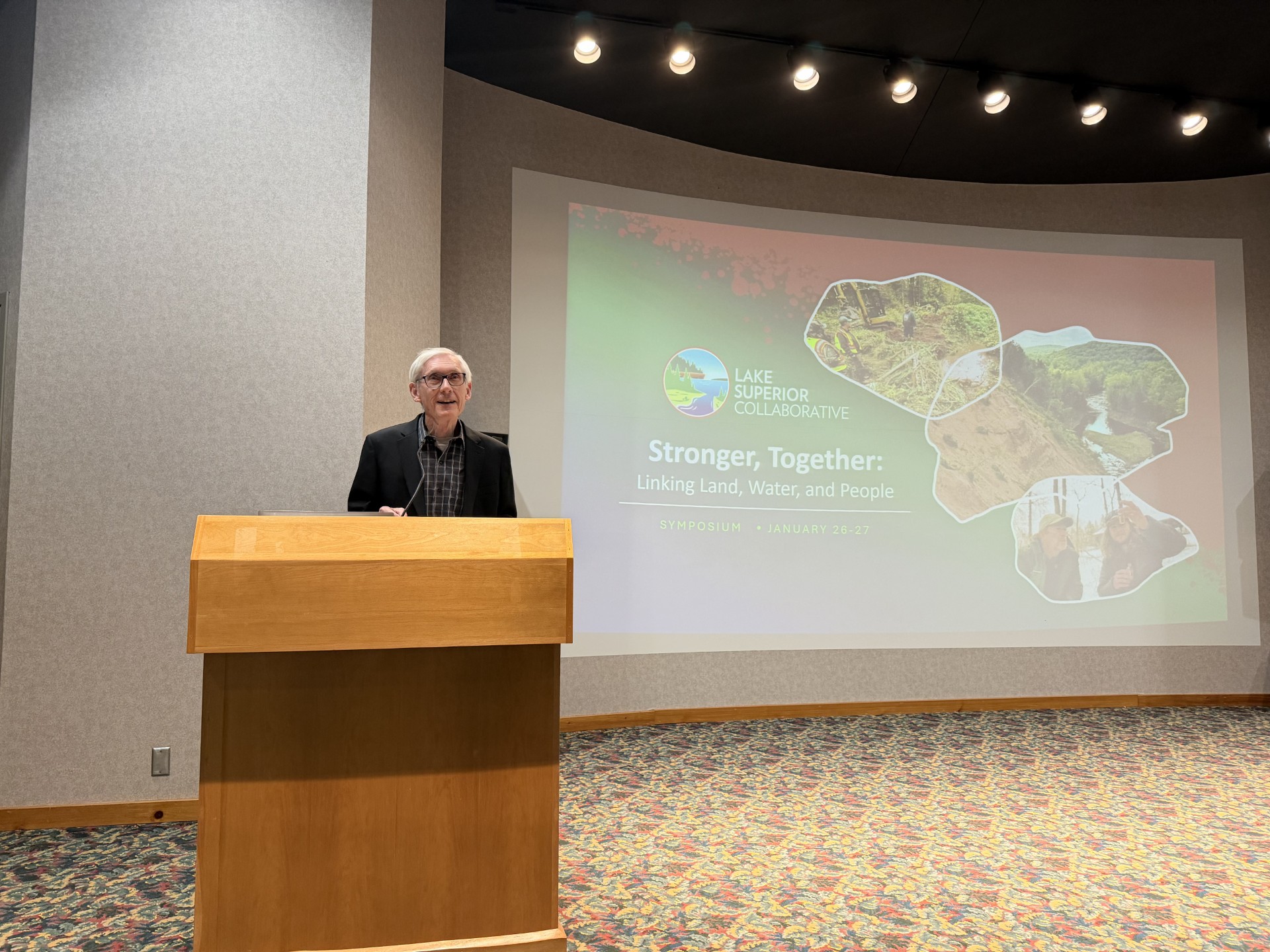
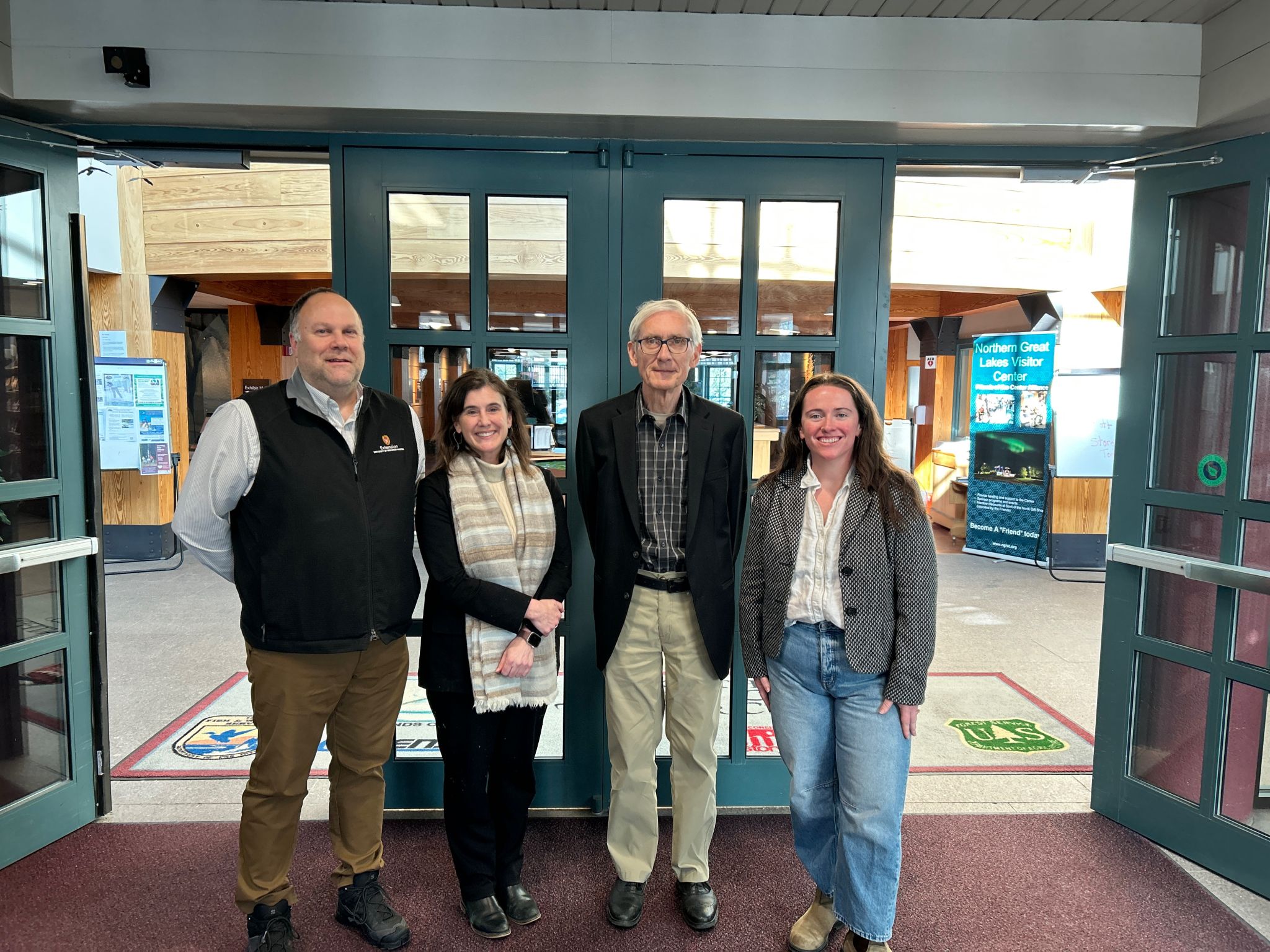
Governor Evers addressing the group (left) and with UW–Madison Extension staff (right)
One memorable moment came when Governor Tony Evers made a surprise visit to address the group. He spoke about Wisconsin's ongoing commitment to protecting and restoring the Lake Superior Basin, pointing to the importance of habitat restoration, shoreline protection, and building resilient communities along the coast. He noted that Lake Superior is deeply connected to the cultural, economic, and recreational life of the region and acknowledged the many tribal, federal, state, and local partners whose work makes progress possible. His remarks reinforced the value of long-standing partnerships and shared responsibility in caring for the Basin.
Evening Social
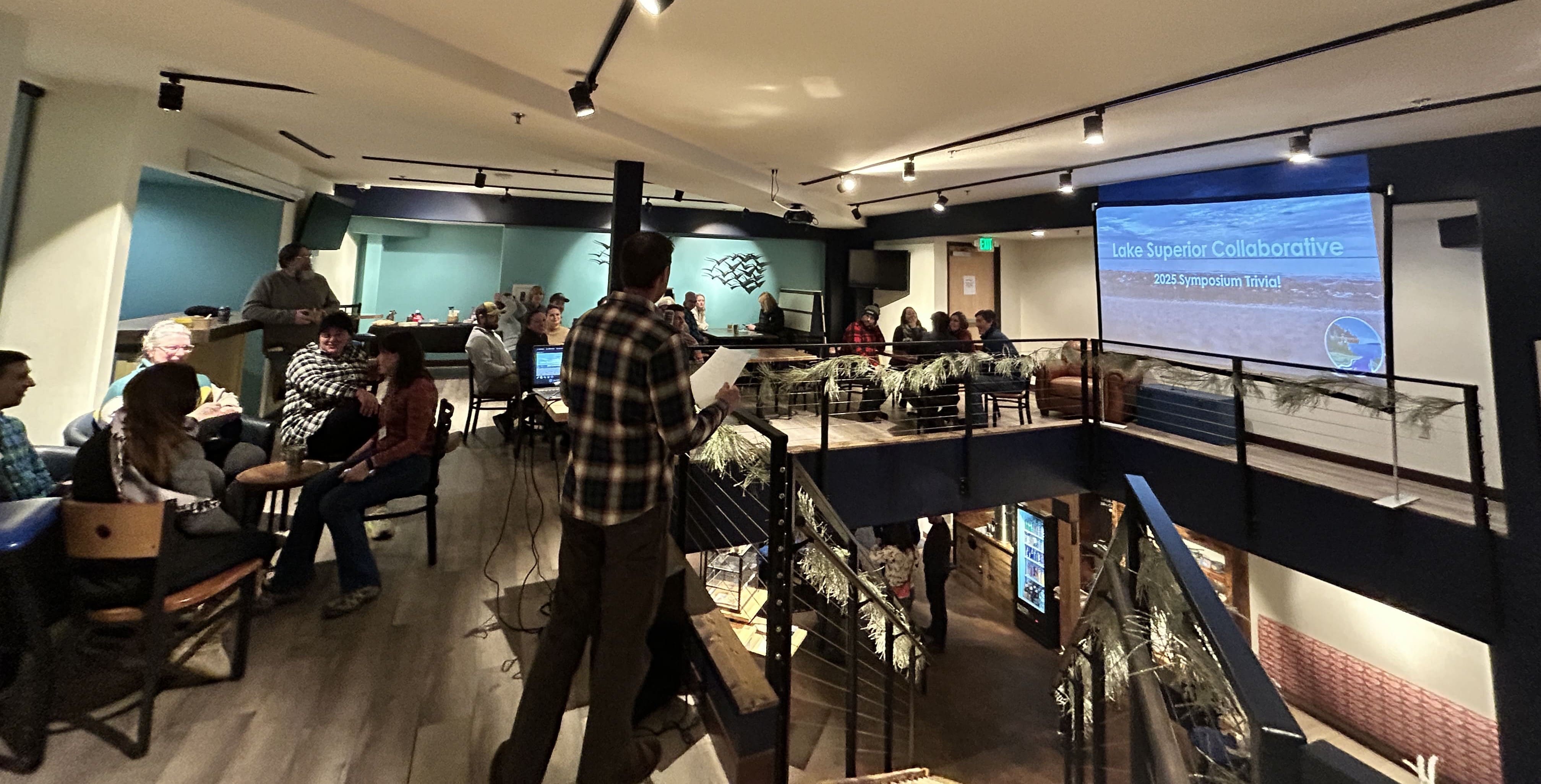
Over the two days, the Symposium created space to focus on the real challenges facing the region, from climate impacts to habitat loss and community resilience. Workshops, lightning talks, and poster sessions shared practical examples from the field, highlighting both successes and lessons learned. The mix of presentations and informal conversations helped participants exchange ideas, reconnect with colleagues, and identify where coordination and collaboration can continue to grow.
The 2026 Symposium reflected the strength of partnership across tribal, state, federal, academic, and nonprofit communities. By bringing people together to share experiences and practical strategies, the event reinforced a shared commitment to advancing conservation, restoration, and climate adaptation efforts across the Lake Superior Basin.
Organizations in Attendance
City of Ashland, City of Washburn, Bayfield County, Ashland County, Northwest Regional Planning Commission, Wisconsin Department of Natural Resources, Wisconsin Coastal Management Program, Wisconsin State Legislature, Natural Resources Conservation Service, Forest Service, U.S. Fish and Wildlife Service, United States Geological Survey, Great Lakes Indian Fish & Wildlife Commission, Keweenaw Bay Indian Community, Red Cliff Band of Lake Superior Chippewa, Bad River Band of Lake Superior Chippewa, University of Wisconsin–Madison, UW–Madison Extension, UW–Superior, UW–Stevens Point, Lake Superior National Estuarine Research Reserve, KCI Technologies Inc., Trout Unlimited, Burke Center for Ecosystem Research, Superior Rivers Watershed Association, The Nature Conservancy, Landmark Conservancy, Ruffed Grouse Society, Friends of the North Pikes Creek Wetlands, Wisconsin Wetlands Association, and Eco North.